Exploring the Beauty and Versatility of Cultured Stone Patterns


Ledge stone for mountain retreats :
Cultured stone, also known as manufactured stone or faux stone, has become increasingly popular in the construction and design industry due to its versatility and aesthetic appeal. One of the key elements that contribute to the beauty of cultured stone is the wide range of patterns available. From classic styles to modern designs, cultured stone patterns offer endless possibilities for creating stunning architectural features both indoors and outdoors. In this article, we will explore the world of cultured stone patterns, discussing different styles, applications, and design considerations.
Understanding Cultured Stone:
Cultured stone is a man-made material that replicates the look and feel of natural stone. It is typically made from a mixture of cement, aggregates, and pigments that are molded and colored to resemble a variety of stone types such as limestone, slate, granite, and more. Cultured stone is lightweight, durable, and more affordable than natural stone, making it a popular choice for both residential and commercial projects.
Cultured Stone Patterns:
One of the most appealing aspects of cultured stone is the wide range of patterns available. These patterns can mimic the appearance of traditional stone masonry techniques such as stacked stone, ledgestone, fieldstone, and more. Each pattern has its own unique characteristics and can be used to create different visual effects in architectural design.
1. Stacked Stone:
Stacked stone patterns feature tightly stacked stones with clean lines and a structured appearance. This pattern is popular for creating a modern and sophisticated look in both interior and exterior applications. Stacked stone can be used to highlight fireplace surrounds, accent walls, and exterior facades, adding texture and depth to the design.
2. Ledgestone:
Ledgestone patterns emulate the look of stones found along a natural ledge or rock face. This pattern is characterized by irregular shapes and varying sizes of stones, creating a rugged and organic aesthetic. Ledgestone is commonly used to create rustic and earthy designs, especially in outdoor settings such as garden walls, pillars, and retaining walls.
3. Fieldstone:
Fieldstone patterns mimic the appearance of stones found in fields and meadows, featuring a mix of shapes, sizes, and colors. This pattern conveys a sense of timeless charm and can be used to create a traditional or country-style look in both residential and commercial settings. Fieldstone is often seen in exterior cladding, landscaping features, and accent walls.
4. Cobblestone:
Cobblestone patterns replicate the look of rounded stones typically used in cobblestone streets and pathways. This pattern adds a touch of old-world charm and character to architectural designs, making it ideal for creating a vintage or European-inspired aesthetic. Cobblestone can be used for driveways, walkways, and outdoor patios, enhancing the overall curb appeal of a property.
5. Limestone:
Limestone patterns mimic the soft and elegant appearance of natural limestone, featuring subtle textures and neutral colors. This pattern is versatile and can be used to create a classic and timeless look in various architectural styles. Limestone is often used for interior accent walls, fireplace surrounds, and exterior cladding, adding a touch of sophistication to the design.
6. Slate:
Slate patterns replicate the rich and textured appearance of natural slate stone, with its distinctive layers and earthy tones. This pattern is popular for creating a dramatic and contemporary look in architectural designs. Slate can be used for flooring, backsplashes, feature walls, and outdoor hardscapes, adding a sense of luxury and sophistication to the space.
Applications of Cultured Stone Patterns:
Cultured stone patterns can be applied in a wide range of architectural projects, from residential homes to commercial buildings, landscaping features, and interior design elements. The versatility of cultured stone allows for creative and unique applications that enhance the overall aesthetic of a space. Some common applications of cultured stone patterns include:
1. Exterior Facades:
Cultured stone patterns can be used to enhance the exterior facade of a building, creating a striking and visually appealing look. Whether used as a primary cladding material or as an accent feature, cultured stone can add texture, depth, and character to the architecture. Different patterns such as stacked stone, ledgestone, and fieldstone can be combined to create a custom facade that complements the overall design style.
2. Interior Accent Walls:
Cultured stone patterns can be used to create stunning accent walls in interior spaces such as living rooms, dining areas, and bedrooms. The texture and visual interest provided by cultured stone can serve as a focal point in the room, adding warmth and personality to the decor. Whether creating a rustic feature wall with ledgestone or a modern statement wall with stacked stone, cultured stone patterns can transform the ambiance of a space.
3. Fireplace Surrounds:
Fireplace surrounds are a popular application for cultured stone patterns, as they provide a natural and inviting focal point in a room. Cultured stone can be used to create a traditional stacked stone fireplace, a contemporary slate surround, or a rustic fieldstone hearth, depending on the desired style. The versatility of cultured stone allows for endless design possibilities when it comes to fireplace surrounds, making it a versatile choice for both modern and traditional settings.
4. Outdoor Hardscapes:
Cultured stone patterns are ideal for outdoor hardscape features such as retaining walls, garden walls, pillars, and outdoor kitchens. The durability and weather resistance of cultured stone make it a practical choice for outdoor applications, providing a low-maintenance and long-lasting solution for landscaping projects. Whether creating a natural stone retaining wall with ledgestone or a classic cobblestone pathway, cultured stone patterns can enhance the beauty and functionality of outdoor spaces.
Design Considerations:
When incorporating cultured stone patterns into architectural designs, there are several important considerations to keep in mind to ensure a successful and visually appealing result:
1. Color Palette:
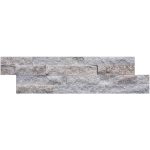
Choose cultured stone patterns that complement the existing color palette of the space. Consider the undertones of the stones, as well as the overall mood and style of the design. Whether opting for neutral limestone tones, earthy fieldstone hues, or dramatic slate colors, selecting the right color palette is crucial for achieving a cohesive and harmonious look.
2. Texture and Scale:
Consider the texture and scale of the cultured stone patterns in relation to the surrounding elements. Texture can add depth and visual interest to a design, while scale can impact the overall balance and proportion of the space. Mixing different patterns and sizes of cultured stone can create a dynamic and layered effect, enhancing the overall aesthetic appeal of the design.
3. Installation Techniques:
Work with experienced contractors or installers who have expertise in handling cultured stone patterns. Proper installation techniques are essential for ensuring the longevity and structural integrity of the design. Consideration should be given to surface preparation, adhesive selection, grouting, and sealing to achieve a professional and seamless finish.
4. Maintenance and Care:
Cultured stone patterns require regular maintenance to preserve their appearance and durability over time. Follow the manufacturer's guidelines for cleaning, sealing, and protecting the cultured stone surfaces from environmental factors such as moisture, sunlight, and harsh weather conditions. Proper care and maintenance will extend the lifespan of the cultured stone patterns and keep them looking their best for years to come.
Conclusion:
Cultured stone patterns offer a versatile and visually appealing option for creating stunning architectural features in various design projects. From stacked stone to ledgestone, fieldstone, and more, cultured stone patterns provide endless possibilities for enhancing the beauty and character of a space. By understanding the different patterns, applications, and design considerations, architects, designers, and homeowners can make informed decisions when incorporating cultured stone into their projects. Whether used for exterior facades, interior accent walls, fireplace surrounds, or outdoor hardscapes, cultured stone patterns can elevate the aesthetic appeal of any space and create a lasting impression.